


〈 Tamato Town, Tamana District, Kumamoto Prefecture 〉 Junichi Nishida
Naturally grown Moon Reading Honey Rosa (by Nishida) [Limited quantity]
Naturally grown Moon Reading Honey Rosa (by Nishida) [Limited quantity]
Couldn't load pickup availability
We have received a shipment of naturally grown Honey Rosa from Mr. Nishida in Kumamoto Prefecture!!!
<"Moon Reading Fruits" harvested according to the phases of the moon>
Nishida has been engaged in natural fruit cultivation in Gyokuto Town, Kumamoto Prefecture since 2006.
For many years, they have been engaged in the natural cultivation of fruit trees such as peaches, honey rosas (plums), Taishu persimmons, and gold kiwis, something that was once said to be "impossible" to do without pesticides.
Nishida's naturally grown Honey Rosa is now in stock again this year!

Taking on the challenge of natural fruit cultivation, something that was once thought to be "impossible"
Nishida returned to his hometown of Kumamoto in 2000 and began working in his family's orchard as the successor.
Originally, we started without knowing anything about natural farming.
We spray chemical fertilizers and pesticides every day as if that were a matter of course.
However, as I continued, I began to have doubts about the large amounts of pesticides being used.
"Pesticides are sprayed dozens of times. I wouldn't want to eat fruit that has been soaked in those pesticides."
Nishida's feelings gradually grew stronger.
While keeping an eye on environmentally conscious agriculture, a series of connections led to our encounter with Purely. 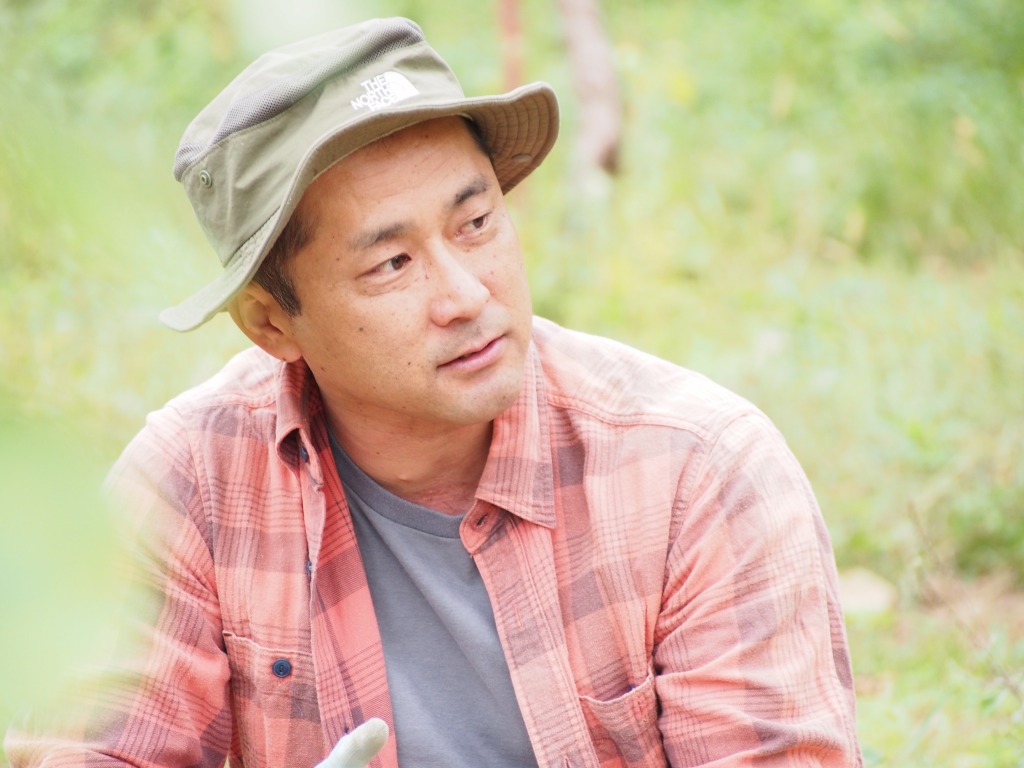 Nishida's first step towards natural farming was when he began to have doubts about the pesticides and fertilizers that were commonly used.
"At first I was surprised, thinking, 'Natural farming without the use of pesticides or fertilizers. There's a farming method like this!' But then I began to feel strongly that, since I'd come back to my hometown of Kumamoto, I wanted to practice natural farming that is kind to both the environment and people."
After meeting Purely, Nishida began practicing natural farming in small areas in 2007.

The naturally grown Honey Rosa is ready for harvest and is full of fruit.

Without relying on any pesticides or fertilizers, they have grown well thanks to the power of plants, insects, and the soil.
The "insects" are employees of Nishida Orchard
Nishida's gold kiwis are grown without the use of any pesticides or fertilizers, even from the seedlings.
We grow our plants naturally from seedlings.
Fruit trees are inherently susceptible to damage from insects and diseases, and large amounts of pesticides and fertilizers are generally used on them.
At Nishida Orchard, which practices natural farming, naturally occurring insects are used instead of pesticides and fertilizers.
"Because I don't use pesticides, a diverse range of creatures live in my orchard. For example, the newly hatched spiders prey on mites and other insects that harm the peaches."
In the world of conventional farming, insects are considered to be harmful pests and are thoroughly eradicated using pesticides.
However, Nishida describes the insects as "employees of Nishida Orchard," and he works to create an orchard in harmony with nature. 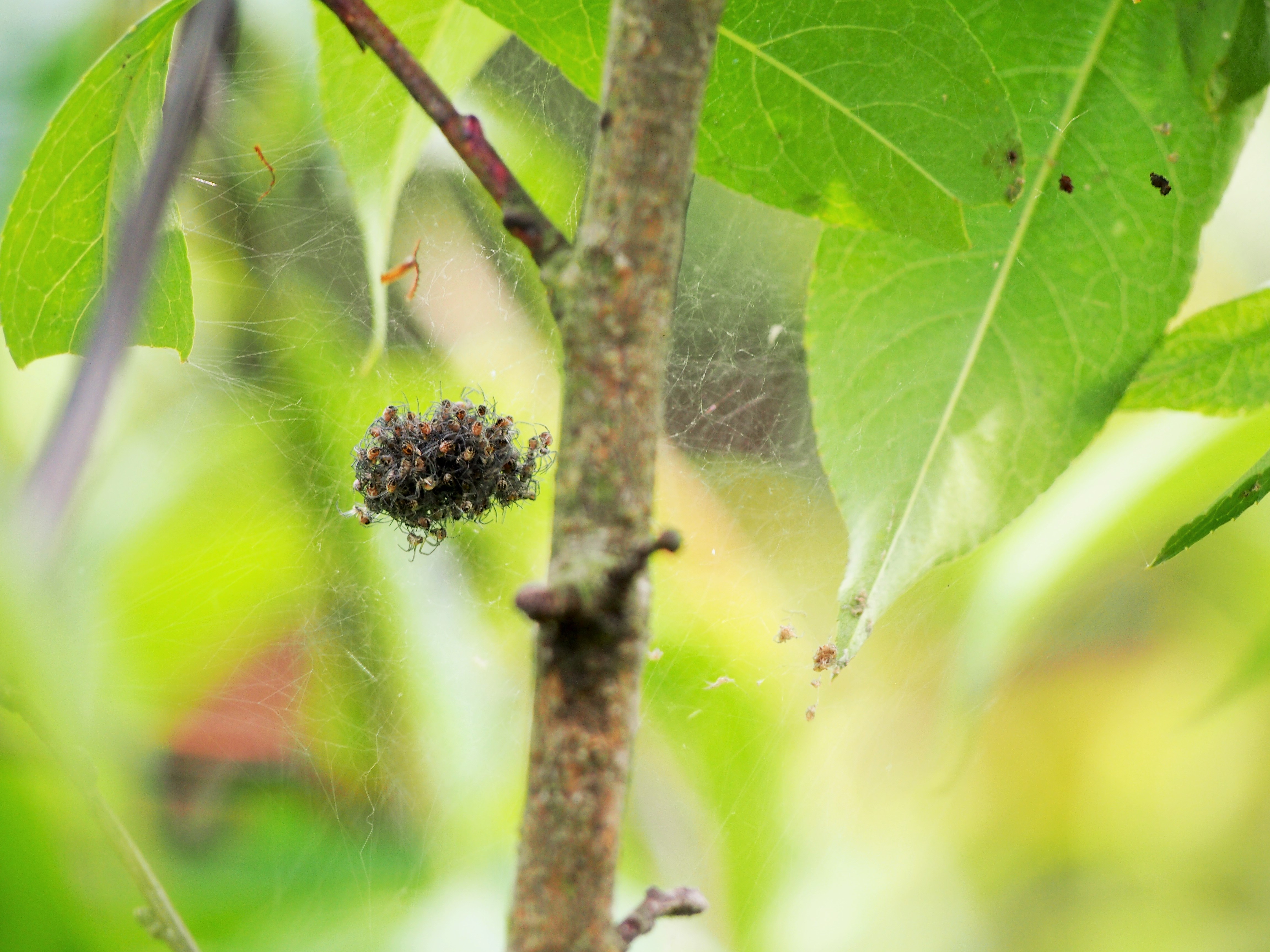 Baby spiders living in the trees. Valuable orchard workers.
Nishida has recreated a natural environment in his orchard where living things and plants coexist and life is diverse.
They also practice biodynamic farming methods, which involve mowing, pruning, and harvesting in accordance with the phases of the moon.
The fruits grown using this farming method are extremely popular nationwide and known as "Tsukiyomi Fruits." 
This precious, naturally grown Honey Rosa is only available at this time of year.
Varieties
Varieties
Producer
Producer
Junichi Nishida
Producing area
Producing area
Tamato Town, Tamana District, Kumamoto Prefecture
Farming method
Farming method
Natural cultivation
Species Information
Species Information
Fruit trees
Size and Capacity
Size and Capacity
1P (approx. 250g), 3P (approx. 750g)
![Naturally grown Moon Reading Honey Rosa (by Nishida) [Limited quantity]](http://online.rootspurely.com/cdn/shop/files/1ee53992565f48ab47ab9a5f68ba34dd_1dc7da9d-b634-4470-901e-7d11a078bb16.jpg?v=1687410466&width=1445)
![Naturally grown Moon Reading Honey Rosa (by Nishida) [Limited quantity]](http://online.rootspurely.com/cdn/shop/files/3cc5067a5db7c6ec8454bd01589e4d90_32df627b-dc11-4902-ba96-6e0709ca909c.jpg?v=1687410379&width=1445)
![Naturally grown Moon Reading Honey Rosa (by Nishida) [Limited quantity]](http://online.rootspurely.com/cdn/shop/files/6e28cbaa2888ad06681f36b2bd6448c9_3436260a-1f58-480c-9543-ab0d22bafb55.jpg?v=1687410379&width=1445)
![Naturally grown Moon Reading Honey Rosa (by Nishida) [Limited quantity]](http://online.rootspurely.com/cdn/shop/files/e88a9c92b1a460ae54e5d85ba27bea19_ce4c7c30-fa03-4d67-82b6-cfc4e122239f.jpg?v=1687410378&width=1445)